
The Power of Nostalgia: Why Vintage & Retro Stuff Makes Us Happier

Updated: Jan 21
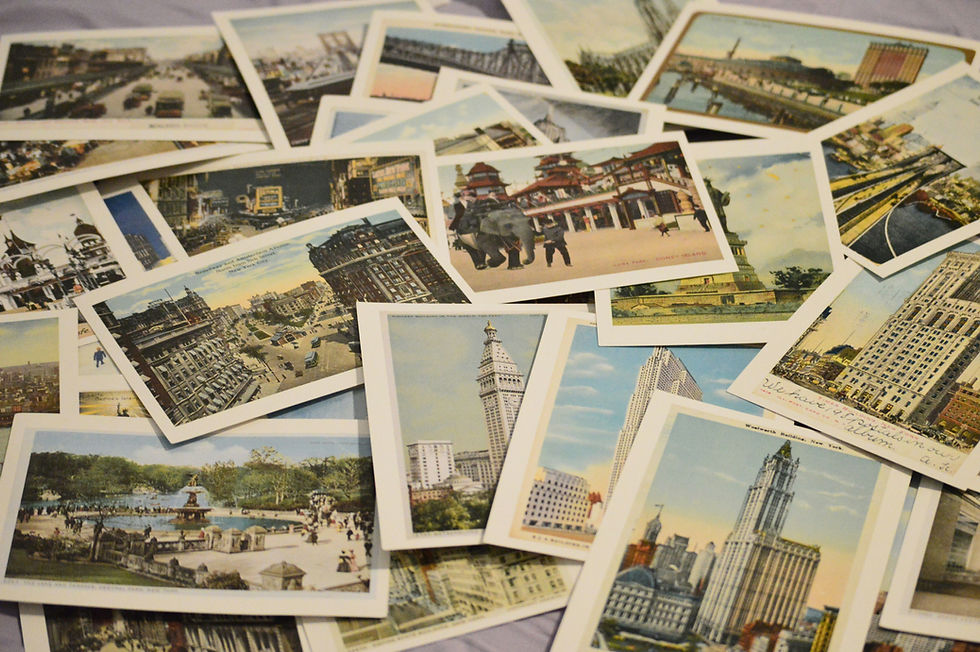
Often, we tend to think of happiness as something we create by looking ahead. We set goals, plan the future, and strive for the next milestone. But in increasing numbers, people are finding a source of comfort, connection, and meaning from looking back into the past, often long before they were even born.
Do you know that feeling you get when a song from your teenage years comes on, or you stumble across an old family photograph? That’s nostalgia working its quiet magic. And research tells us that nostalgia isn’t about longing for a past we can’t return to. Instead, it’s a psychological resource that supports our emotional well-being, our identity, and even our sense of hope.
Why Are We Drawn to Nostalgia?
Nostalgia is universal. In fact, studies show that people across cultures experience nostalgic memories at least once a week. Psychologists Constantine Sedikides and Tim Wildschut, who have spent decades studying nostalgia, describe it as a “predominantly positive, self-relevant, and social emotion” that strengthens our psychological resilience.
Nostalgia works because it reconnects us to times when we felt loved, safe, connected, or seen. These emotional “touchstones” remind us that:
We’ve had joy before.
We’ve overcome challenges.
We’ve loved and been loved.
We belong somewhere.
And that reminder—especially during stressful times, can be reassuring and grounding when we most need it.
The Rise of Nostalgic Hobbies
It’s no coincidence that nostalgic hobbies have surged in recent years. Vinyl records, antique shops, mid-century furniture, old board games, analog cameras, retro video games—and yes, vintage postcards—have all made a comeback.
These objects aren’t just “things.” They are tangible invitations to a moment in history we may never have lived but can still emotionally connect with. They slow us down, spark curiosity, and give us a sense of continuity in a world that often feels too fast.
A Perfect Example: Collecting Vintage Postcards
At first glance, vintage postcards may seem like an insignificant thing to focus on, but their impact can be surprisingly profound. Each one is a tiny time capsule—a glimpse into someone’s journey, a place frozen in time, a message written in handwriting that once meant something to someone. (QUOTE)
Collecting postcards offers several wellness benefits:
1. A Mindful Pause
Sorting, reading, or even just browsing through old postcards pulls us out of the noise of the present moment. It’s inherently calming. This mirrors findings from mindfulness research showing that grounding activities, especially tactile ones, lower stress and enhance emotional regulation.
2. A Sense of Discovery
Every postcard tells a story:
Who wrote it?
Why were they traveling?
What did that town look like 100 years ago?
This kind of exploratory curiosity activates the brain’s reward pathways, like the small dopamine boosts we get when solving puzzles or uncovering something interesting.
3. Connection to Humanity
Even if we don’t know the people, reading messages from the early 1900s—news about weather, family visits, new babies, illnesses, hopes—reminds us that human experiences don’t really change.
Research on nostalgia shows it boosts feelings of social connectedness, even when the memories involve people we’ve never met.
4. Emotional Comfort
Nostalgia is surprisingly effective at reducing loneliness. One study found that nostalgic reflection literally warms the body, increasing perceived temperature during feelings of coldness or isolation.
Vintage postcards, with their soft colors and handwritten notes, embody that warmth.
5. Creative Inspiration
For many collectors, a postcard sparks something:
Writing ideas
Travel inspiration
Artistic creativity
Research curiosity
This is partly because nostalgia activates memory networks that also support our imagination.
6. Anchoring to Something Bigger
In a world where everything changes quickly, holding a postcard from 1912 reminds us that we’re part of a long, unfolding story.
Psychologists call this “temporal self-continuity “which refers to the feeling that our life is connected across past, present, and future. It’s strongly tied to both resilience and meaning. As one postcard enthusiast, Claire, describes it,
“Whenever I pick up a postcard that’s 100 years old, I think, ‘Wow, someone was complaining about the weather back then too.’ It reminds me we’re all just humans trying our best across time”.Ellen, vintage hobbyist expresses something similar:“When I look at a postcard from 1910, it hits me—the world has changed so much, but people really haven’t. Their hopes, their worries, their love… it’s all the same. It reminds me I’m part of a bigger story that stretches far beyond my own lifetime.”
Nostalgia Isn’t Escapism—It’s Integration
Some people worry or even criticize that nostalgia means living in the past. But the opposite is true.
Healthy nostalgia gives us:
stability when the world feels unstable
comfort when life feels overwhelming
identity when we feel untethered
motivation when we feel stuck
And hobbies like collecting vintage postcards create a regular, gentle way to tap into that emotional resource.
If You’re Looking for a Happiness Boost, Try a Touch of the Past
Here are a few simple ways to invite more nostalgia into your life:
Look through old family photos
Listen to music from a meaningful season of your life
Revisit childhood books or movies
Collect a small piece of history—postcards, books, stamps, heirlooms
Write about a memory that still lights you up
Share nostalgic stories with someone you care about
These simple moments nourish the mind in ways we often overlook.


Comments